


Your AI coding agent for building apps, in Figma Make
Go from rough idea to fully interactive app—no coding required. Figma Make is the AI coding agent that handles the build so you can stay focused on the product.
Build working apps with your AI coding agent

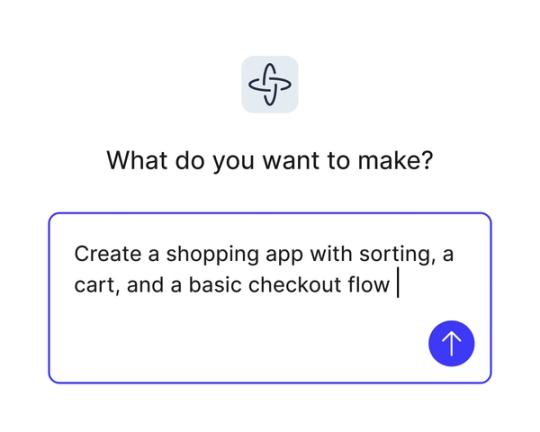
Turn ideas into working apps
Skip the dev backlog entirely. Describe what you want to build, and Figma Make's AI coding agent generates interactive flows, screens, and logic from a single natural language prompt.

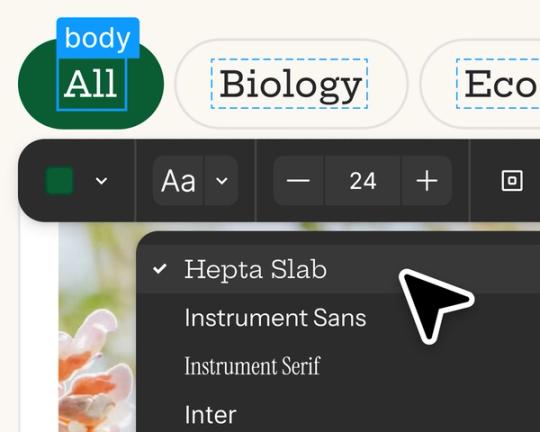
Edit, iterate, and stay in flow
Start with a prompt, then refine in the visual editor, adjust code directly, or re-prompt to explore new directions. You're always in control—without switching tools.

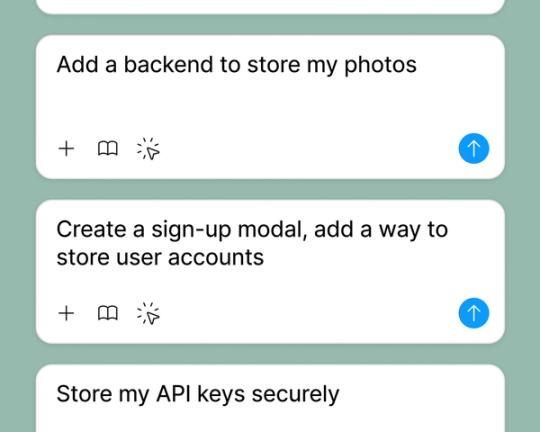
Add a backend, ship something real
Connect to Supabase to power your app with user authentication, data storage, and live APIs. No coding required—just a prompt and a real product ready to share.

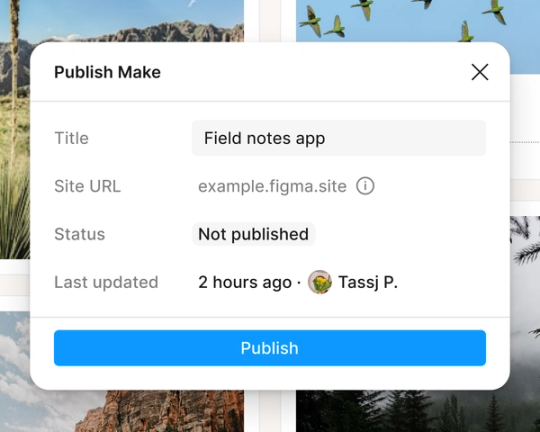
Design and build in one place
Connect to a backend to preview exactly how your app will look and behave with live, user-driven data.
Built by real teams.
See how makers, designers, and PMs are using Figma Make to build no-code web apps—from internal tools to product MVPs.
- Jacques Debeuneure Jr.
- Daniela Muntyan

- kishoree04u

- Seungmee Lee


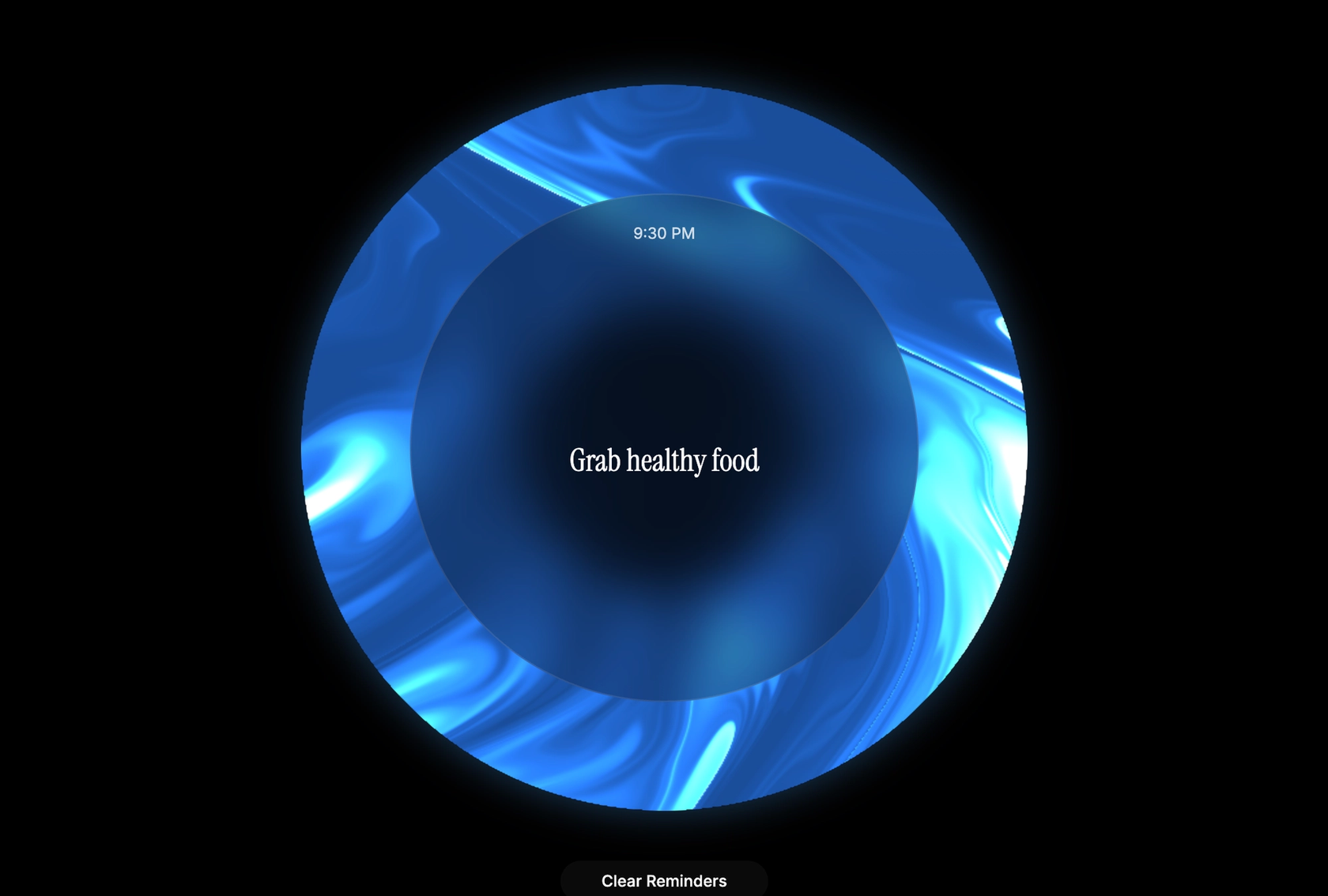


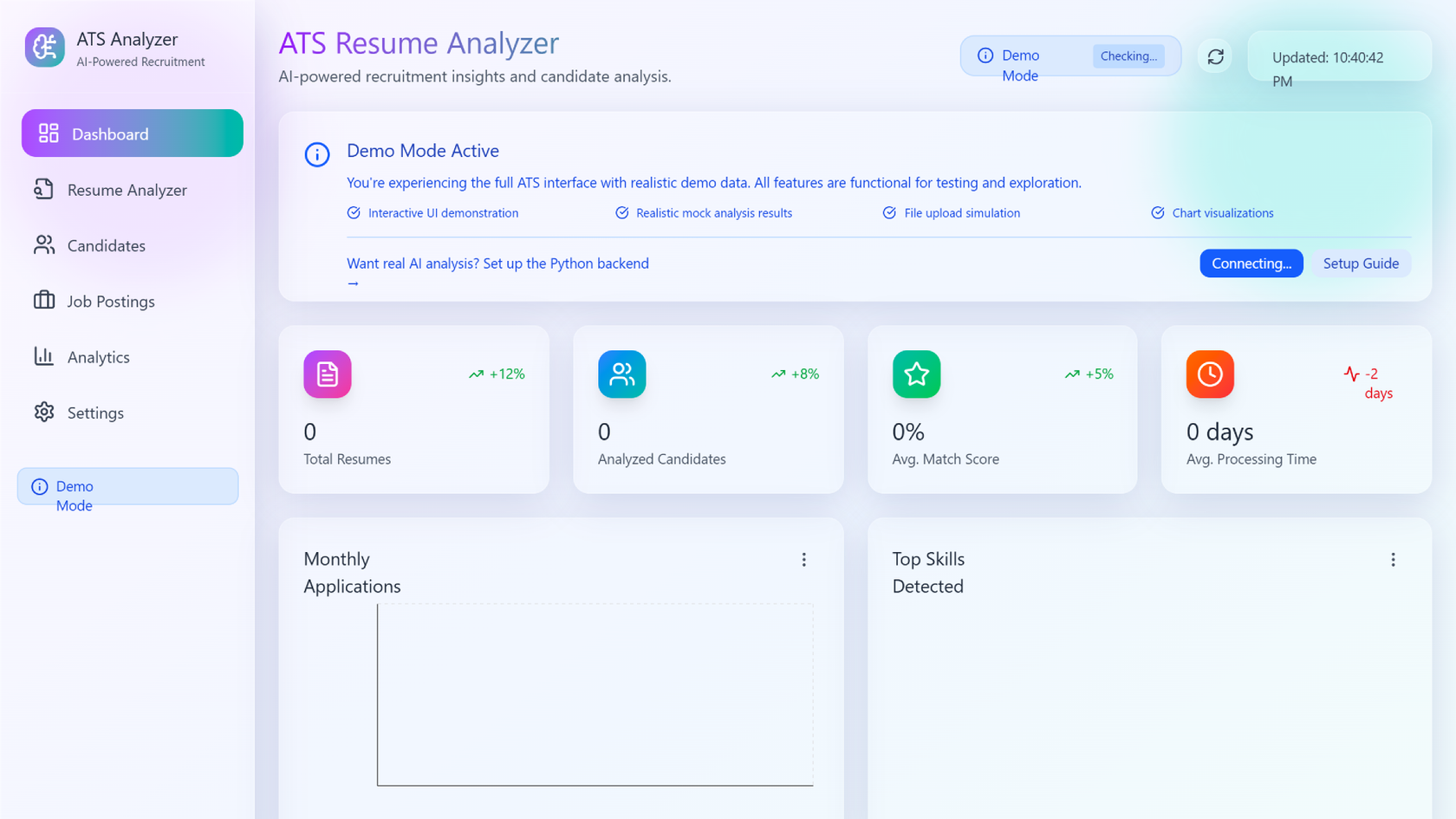


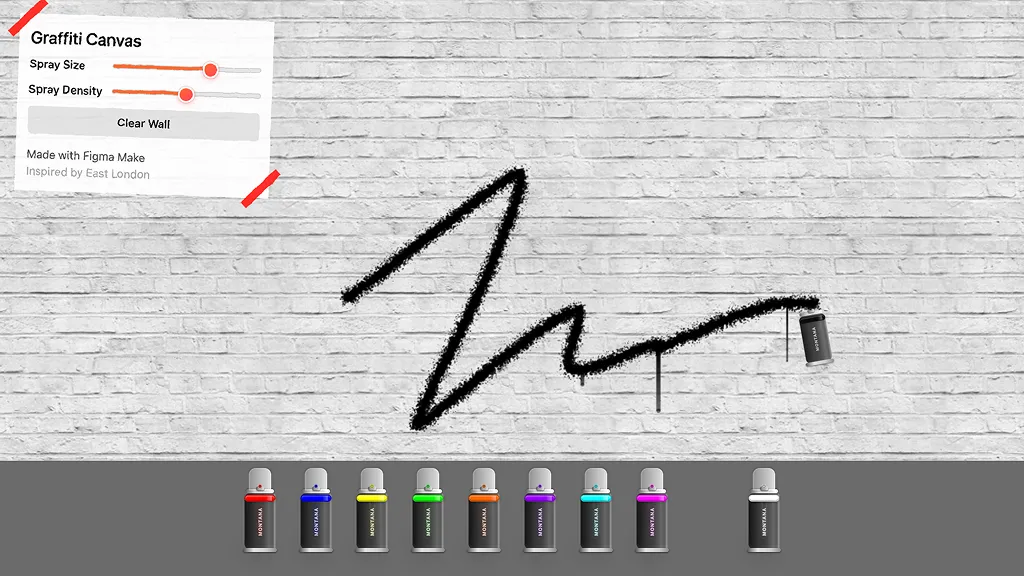

How to build an app with Figma Make
Open Figma Make and start from scratch, or bring in an existing frame from your Figma Design file. You don't need a working design—just a starting point or a blank canvas.
Use a natural language prompt to define what your app does, what users see, and how it behaves. Be as specific or as high-level as you like. Example prompt: "Build a task management app with a dashboard view, a list of open tasks, and a modal to add new ones."
Figma Make generates an interactive, structured app—screens, logic, layout, and behaviors—ready for you to preview and test in real time.
Prompt to iterate on any detail, connect a backend for live data, or hand off production-ready code aligned with your component library. Example prompt: "Add a filter to the task list that sorts by due date and priority."
FAQs
An AI coding agent is a tool that writes and generates functional code from natural language instructions. In Figma Make, the AI coding agent turns prompts into interactive apps—handling structure, logic, and layout automatically so teams can go from idea to working product without writing code manually.
Figma Make supports a wide range of app types—dashboards, internal tools, onboarding flows, data entry forms, product prototypes, and more. Whether teams are validating early concepts or building something close to production-ready, the AI coding agent can generate the foundation.
Yes. Teams can use their own Figma components, styles, and tokens so every app prototype stays on-brand and production-ready.
Yes. Figma Make integrates with Supabase so teams can add user authentication, store user data, and connect private APIs—all without writing code. This makes it possible to build and test apps with real, live data before launch.
From the blog

How Lufthansa Systems prototypes realistic maps for the cockpit with Figma Make
Pilots depend on in-flight software to navigate routes, see air traffic, avoid turbulence, and more. To bring more dynamic prototypes to user testing, Lufthansa Systems turned to Figma Make.
Create, ship, and manage data-backed websites with Payload in Figma
With Payload in Figma, teams can go from prototype to production together, managing their content and data all in one place.
Measuring time savings from Figma Make
The Figma Data Science team assumed that AI saves users time—but quantifying it required a new approach to research design.
A properties panel and annotations, now in Figma Make
With visual editing and annotations, Figma Make is bridging the gap between design and code. Select any element you want to change, adjust it directly in the properties panel, or write in-context prompts with annotations.
Workflow lab: Deploying designs directly with Figma Make
The handoff from design to code doesn't have to be a one-way street. This workflow shows how a designer can connect a codebase to Figma Make, make the changes directly, and bring the whole team into review—right up to the PR.

How Decagon uses AI for design system saturation
The fast-growing customer experience platform explains how Figma MCP and Figma Make helped them scale a new design system and keep pace with customer requests.
More resources


What is MCP?
Read articleLearn about Model Context Protocol (MCP), the open standard that simplifies AI integration like a USB-C for data.


What is Vibe coding?
Read articleVibe coding combines mood-driven design with seamless coding to create immersive digital experiences that connect emotionally and function flawlessly.


How to design an app in five steps
Read articleBuilding an app requires research and constant iteration to meet customer needs. Learn how to design an app and how Figma can help in this guide.