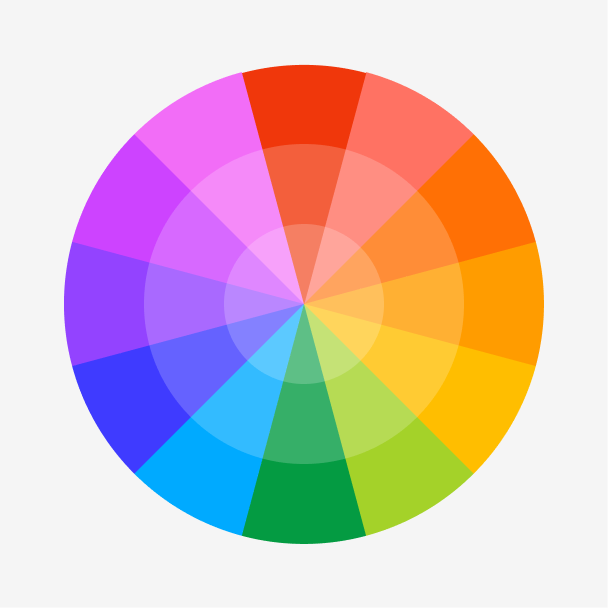
Figma color wheel
Want to find the perfect complementary or analogous colors to match glaucous?
Skip to main content
Everything you need to know about glaucous to inspire your next design.
Glaucous is a cool-toned shade of blue that borders the blue-green and blue-violet regions of the color wheel. Its blue influence promotes peace and tranquility, while its muted appearance conveys sophistication and reliability.

Shades
Tints
Tones
Hues
Complementary
Split
Monochromatic
Analogous
Triadic
Square
Triton
Beachwalk
Aurora
Glaucous is defined by the following color codes and values to ensure consistency across various digital platforms and devices.
Accessibility considerations play a crucial role in UX and UI design color choices. Figma offers plugins in the Community to make sure your designs meet Web Content Accessibility Guidelines.
Here are some ways to use glaucous in your designs:
Keep in mind that color and its meaning can change from culture to culture—and at any given time. If you are designing for a global audience, research color considerations for your specific regions.
For variations within the same cool spectrum as glaucous, consider:
To complement glaucous, consider pairing it with:
Other colors worth considering include turquoise or mint green for a playful look and jet black or navy blue for a dramatic contrast.
While glaucous is cool and calming, it may clash with:
Glaucous symbolizes tranquility, wisdom, and stability. It draws inspiration from the sea and sky, evoking feelings of peace and serenity. This color also represents depth, intelligence, and a connection to the natural world.
In color psychology, glaucous is seen as calming and reassuring, fostering a sense of security and trust while encouraging clear thought and focus. It can also evoke feelings of freedom, promoting openness and optimism.
In UI design, glaucous creates a serene and professional atmosphere. It’s suitable for platforms prioritizing trust, reliability, and information, such as those in the wellness, finance, or technology spaces.
The term “glaucous” comes from the Greek word “glaukos,” meaning“gray-green” or “gleaming.” Historically, it was mainly used in botanical and ornithological contexts to describe the bluish-green or gray-white waxy coating found on certain plants and bird feathers. This natural occurrence of the color has influenced its use in art and design.
Contrast 3.39
#678DC6
How you design, align, and build matters. Do it together with Figma.
| Category | ||
|---|---|---|
Fail | Fail | |
Pass | Fail | |
Pass | Fail |
Contrast 6.2
#678DC6
How you design, align, and build matters. Do it together with Figma.
| Category | ||
|---|---|---|
Pass | Fail | |
Pass | Pass | |
Pass | Pass |
Protanopia
Deuteranopia
Tritanopia
Achromatopsia
The hexadecimal color #678DC6, known as glaucous, has RGB values of R:103, G:141, B:198 and CMYK values of C:0.48, M:0.29, Y:0, K:0.22.
| VALUE | CSS | |
|---|---|---|
| HEX | 678DC6 | #678DC6 |
| RGB DECIMAL | 103, 141, 198 | RGB(103,141,198) |
| RGB PERCENTAGE | 40.4, 55.3, 77.6 | RGB(40.4%,55.3%,77.6%) |
| CMYK | 48, 29, 0, 22 | |
| HSL | 216°, 45.5, 59 | HSL(216°,45.5%,59%) |
| HSV (OR HSB) | 216°, 48, 77.6 | |
| WEB SAFE | 6699CC | #6699CC |
| CIE-LAB | 58.046, 2.511, -33.627 | |
| XYZ | 25.309, 26.009, 57.11 | |
| xyY | 0.233, 0.24, 26.009 | |
| CIE-LCH | 58.046, 33.72, 274.27 | |
| CIE-LUV | 58.046, -19.099, -52.373 | |
| HUNTER-LAB | 50.999, -0.666, -30.694 | |
| BINARY | 01100111, 10001101, 11000110 | |
| iOS - SwiftUI | Color(red: 0.404, green: 0.553, blue: 0.776) | |
| iOS - UIKit | UIColor(red: 0.404, green: 0.553, blue: 0.776, alpha: 1) | |
| Android - Compose | Color(0xFF678DC6) |
Want to find the perfect complementary or analogous colors to match glaucous?

Embrace the gentle calm of misty blue.

Explore the grounding nature of khaki.