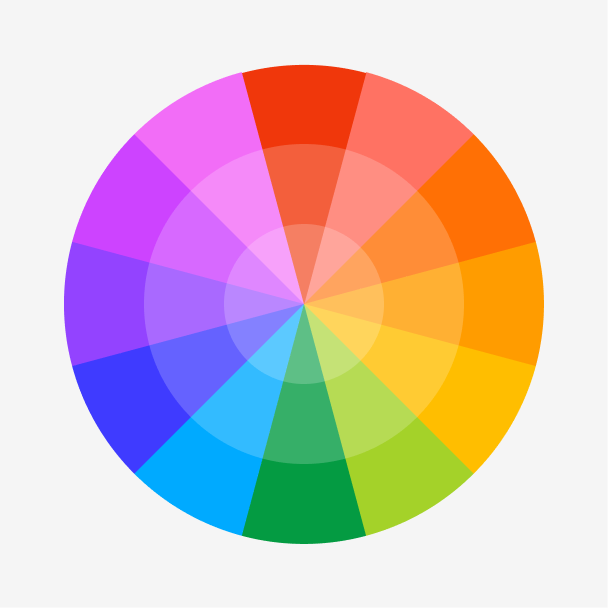
Figma color wheel
Want to find the perfect complementary or analogous colors to match turquoise?
Skip to main content
Everything you need to know about turquoise to inspire your next design.
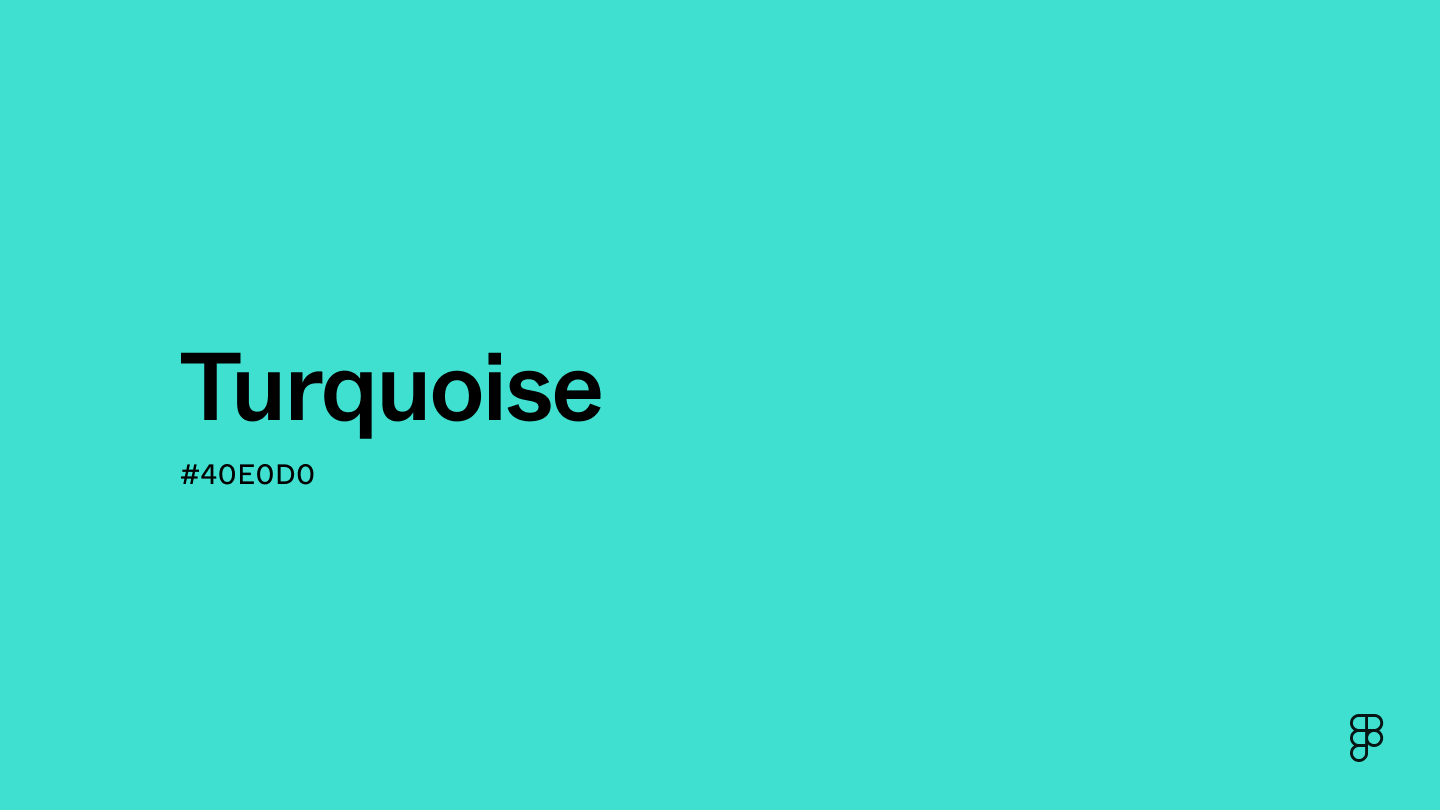
Turquoise is a vivid blend of blue and green, evoking the serene and inviting qualities of clear, shallow tropical waters. This particular shade is notably bright and clear with a refreshing and airy feel.

Shades
Tints
Tones
Hues
Complementary
Split
Monochromatic
Analogous
Triadic
Square
Mediterranean
Bohemian Tide
Seagrass
Turquoise is defined by the following color codes and values to ensure consistency across various digital platforms and devices.
Accessibility considerations play a crucial role in UX and UI design color choices. Figma offers plugins in the Community to make sure your designs meet Web Content Accessibility Guidelines.
Here are some ways to use turquoise in your designs:
Keep in mind that color and its meaning can change from culture to culture—and at any given time. If you are designing for a global audience, research color considerations for your specific regions.
For variations within the same blue-green spectrum as turquoise, consider:
To complement turquoise, consider pairing it with:
Other colors worth considering include white for a clean and airy feel, black for a dramatic contrast, and metallic accents like gold or silver to add a touch of luxury.
While turquoise is earthy and cool-toned, it may clash with:
Turquoise symbolizes wealth, status, and beauty. In ancient Egypt, it was associated with the sky, love, and fertility, linked to the goddess Hathor. The Aztecs connected turquoise to water and creation, and Indigenous tribes of North America considered it a talisman of good fortune and communication.
Psychologically, turquoise merges the calming effects of blue with the refreshing qualities of green, promoting relaxation and serenity. Its green undertones suggest creativity and renewal, which evokes growth and fresh ideas.
In UI design, turquoise is effectively used by travel companies to evoke images of tropical relaxation. Skincare brands use it to suggest cleanliness and rejuvenation. Tech companies might use turquoise to signify innovation and creativity, highlighting their forward-thinking nature.
The history of the turquoise gem spans several ancient civilizations, including Egypt, Persia, China, and the Aztecs. In Greece, it was known as "callais," and the Aztecs called it "chalchihuitl."
The modern name "turquoise" comes from the French word "turquois," meaning "Turkish," referring to the gemstone's route through the Ottoman Empire to Europe. By the late 16th century, the term "turquoise" had also evolved beyond the gemstone to designate the distinctive blue-green color that characterizes it.
Contrast 1.64
#40E0D0
How you design, align, and build matters. Do it together with Figma.
| Category | ||
|---|---|---|
Fail | Fail | |
Fail | Fail | |
Fail | Fail |
Contrast 12.79
#40E0D0
How you design, align, and build matters. Do it together with Figma.
| Category | ||
|---|---|---|
Pass | Pass | |
Pass | Pass | |
Pass | Pass |
Protanopia
Deuteranopia
Tritanopia
Achromatopsia
The hexadecimal color #40E0D0, known as turquoise, has RGB values of R:48 G:213, B:200 and CMYK values of C:77, M:0, Y:6, K:16.
| VALUE | CSS | |
|---|---|---|
| HEX | 40E0D0 | #40E0D0 |
| RGB DECIMAL | 64, 224, 208 | RGB(64,224,208) |
| RGB PERCENTAGE | 18.8, 83.5, 78.4 | RGB(18.8%, 83.5%, 78.4%) |
| CMYK | 77, 0, 6, 16 | |
| HSL | 175.3°, 66.3, 51.2 | HSL(175.3°, 66.3%, 51.2%) |
| HSV (OR HSB) | 175.3°, 77.5, 83.5 | |
| WEB SAFE | 33CCCC | #33CCCC |
| CIE-LAB | 77.509, -43.201, -5.325 | |
| XYZ | 35.433, 52.383, 62.876 | |
| xyY | 0.235, 0.348, 52.383 | |
| CIE-LCH | 77.509, 43.527, 187.027 | |
| CIE-LUV | 77.509, -57.919, -1.479 | |
| HUNTER-LAB | 72.376, -35.965, -4.968 | |
| BINARY | 00110000, 11010101, 11001000 | |
| iOS - SwiftUI | Color(red: 0.188, green: 0.835, blue: 0.784) | |
| iOS - UIKit | UIColor(red: 0.188, green: 0.835, blue: 0.784, alpha: 1) | |
| Android - Compose | Color(0x40E0D0) |
Want to find the perfect complementary or analogous colors to match turquoise?
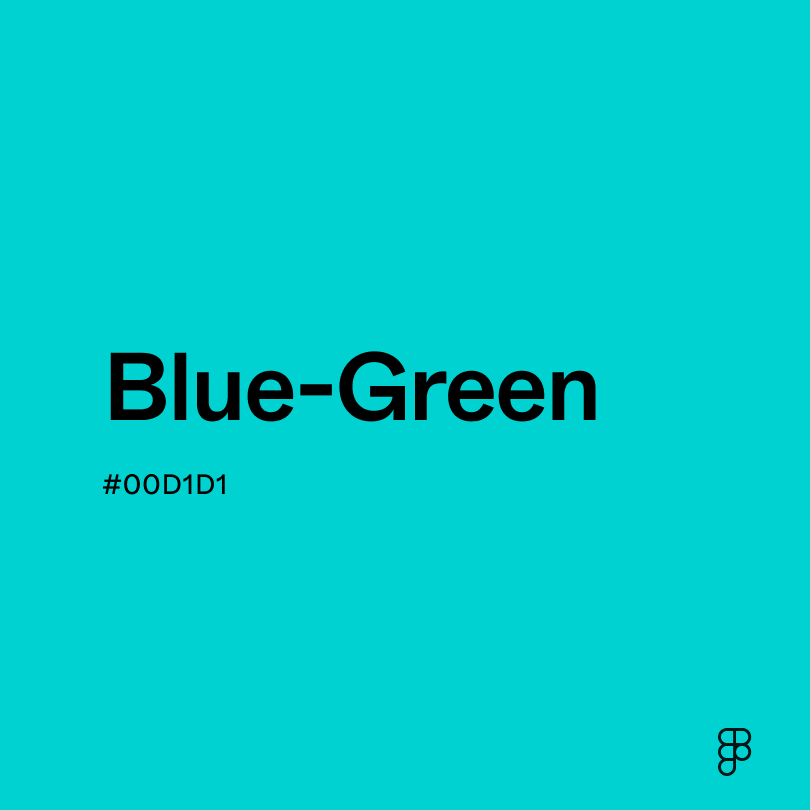
Discover the calming hue of blue-green.
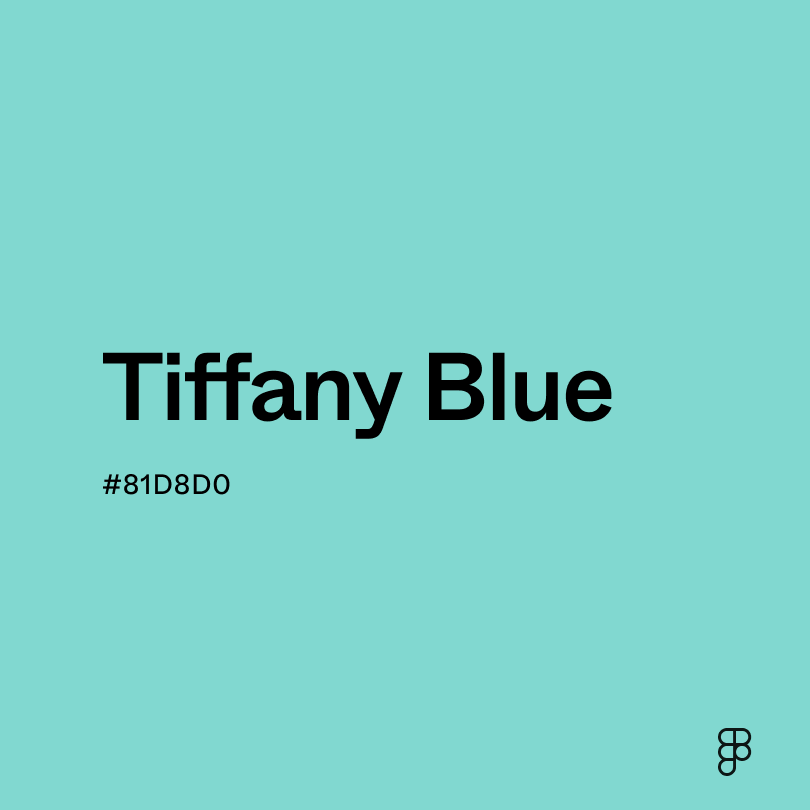
Discover the timeless elegance of Tiffany Blue.