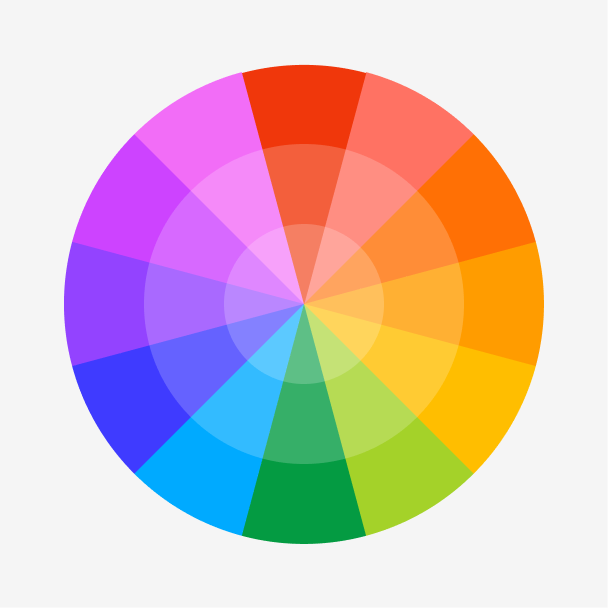
Figma color wheel
Want to find the perfect complementary or analogous colors to match gold?
Skip to main content
Everything you need to know about gold to inspire your next design.
Hex code #EFBF04 represents a bright gold, capturing the essence of luxury and grandeur. This dynamic yellow hue resembles real gold and is frequently used in design to denote wealth, luxury, and prestige. Its vivid character creates elegant and impactful visual statements.


Shades
Tints
Tones
Hues
Complementary
Split
Monochromatic
Analogous
Triadic
Square
24 Karat
Crown Jewels
Marigold
Gold is defined by the following color codes and values to ensure consistency across various digital platforms and devices.
- HEX code: #EFBF04
- RGB value: 93.7% red, 74.9% green and 1.6% blue
Accessibility considerations play a crucial role in UX and UI design color choices. Figma offers plugins in the Community to make sure your designs meet Web Content Accessibility Guidelines.
Here are some actionable tips for using gold effectively in UI design:
Keep in mind that color and its meaning can change from culture to culture—and at any given time. If you are designing for a global audience, research color considerations for your specific regions.
For variations within the same radiant and opulent spectrum as gold, consider:
To complement gold's luxurious tones, consider pairing it with:
Other colors worth considering include deep purple for a royal ambiance, soft pink for a gentle, feminine touch, and turquoise for a vibrant, contemporary look.
While gold is versatile, it may clash with:
Gold symbolizes wealth, prosperity, and status, reminiscent of the sun's radiant energy and celestial significance. Historically, gold adorned royalty, religious artifacts, and sacred spaces, symbolizing luxury, divinity, and immortality. It continues to signify success, achievement, and the highest standard, as reflected in the symbolism of the Olympic Gold medal.
In color psychology, gold evokes warmth, optimism, confidence, success, wisdom, and enlightenment, enriching experiences with its bright and uplifting presence.
Gold should be strategic in UI design due to its powerful symbolism and visual impact. Gold can enhance elements like buttons or icons when used as an accent, giving a touch of luxury and importance. It's particularly effective in designs targeting luxury markets or premium services, where it reinforces the notion of exclusivity and high value. However, overuse can overwhelm and detract from the user experience.
Some of the earliest evidence of gold use comes from around 4000 BC. Eastern European cultures, likely drawn to its natural beauty and luster, fashioned it into decorative objects. By 3000 BC, civilizations like the Sumerians in Mesopotamia had mastered the art of goldworking. They used gold to create intricate jewelry, often showcasing surprisingly sophisticated styles that inspire designers today.
Throughout history, gold's rarity and beauty have made it a prized possession. In ancient Egypt, it was associated with the sun god Ra and adorned pharaohs and religious objects to symbolize wealth, divinity, and immortality. Other civilizations, from the Greeks and Romans to the Incas and Aztecs, used gold to signify power, status, and importance.
The allure of gold has fueled exploration and conquest throughout history. The Spanish conquistadors' pursuit of El Dorado, the mythical city of gold, is a famous example. Gold rushes in various parts of the world, like California in the 1840s, highlight human fascination with this precious metal.
Gold became a valuable commodity in international trade for currency and backing other forms of money. This role continued for centuries, though the modern world has shifted mainly to fiat currencies. Despite its changing financial role, gold remains a valuable metal prized for its beauty, versatility, and symbolic meaning.
Contrast 1.73
#EFBF04
How you design, align, and build matters. Do it together with Figma.
| Category | ||
|---|---|---|
Fail | Fail | |
Fail | Fail | |
Fail | Fail |
Contrast 12.12
#EFBF04
How you design, align, and build matters. Do it together with Figma.
| Category | ||
|---|---|---|
Pass | Pass | |
Pass | Pass | |
Pass | Pass |
Protanopia
Deuteranopia
Tritanopia
Achromatopsia
The hexadecimal color #EFBF04, known as gold, has RGB values of R:239, G:191, B:4 and C:0, M:0.2, Y:0.98, K:0.06.
| VALUE | CSS | |
|---|---|---|
| HEX | EFBF04 | #EFBF04 |
| RGB DECIMAL | 239, 191, 4 | rgb(239,191,4) |
| RGB PERCENTAGE | 93.7, 74.9, 1.6 | rgb(93.7%,74.9%,1.6%) |
| CMYK | 0, 20, 98, 6 | |
| HSL | 47.7°, 96.7, 47.6 | hsl(47.7,96.7%,47.6%) |
| HSV (OR HSB) | 47.7°, 98.3, 93.7 | |
| WEB SAFE | FFCC00 | #FFCC00 |
| CIE-LAB | 79.399, 3.551, 80.735 | |
| XYZ | 54.25, 55.624, 7.994 | |
| xyY | 0.46, 0.472, 55.624 | |
| CIE-LCH | 79.399, 80.813, 87.481 | |
| CIE-LUV | 79.399, 41.233, 82.811 | |
| HUNTER-LAB | 74.581, -0.677, 45.852 | |
| BINARY | 11101111, 10111111, 00000100 | |
| iOS - SwiftUI | Color(red: 0.94, green: 0.75, blue: 0.02) | |
| iOS - UIKit | UIColor(red: 0.94, green: 0.75, blue: 0.02, alpha: 1) | |
| Android - Compose | Color(0xFFEFBF04) |
Want to find the perfect complementary or analogous colors to match gold?
Learn about the color amber.
Learn more about tangerine.