


AI signup flow generator in Figma Make
Go from concept to user-ready signup flow in minutes—no code or PRD needed. With Figma Make’s AI signup flow generator, prompt once to capture user logic, flows, and edge cases—all in one place.
Design, prototype, and validate signup flows with AI
Turn product ideas into real flows
Skip the docs and prompt your way from user story to functioning prototype. Figma Make’s signup flow generator maps your ideas into structured screens and interactions automatically.
Prototype with your real system
Connect your existing design system styles or code components for on-brand, realistic signup flows that behave just like production.
Test with live data
Plug in backend data to simulate real signups, states, and errors—so your tests reflect reality.
Go from prototype to production
Generate ready-to-build code aligned with your component library. Reduce rework and ship faster.
Built by real teams.
See how makers, designers, and PMs are using Figma Make to build no-code web apps—from internal tools to product MVPs.
- Jacques Debeuneure Jr.
- Daniela Muntyan

- kishoree04u

- Seungmee Lee


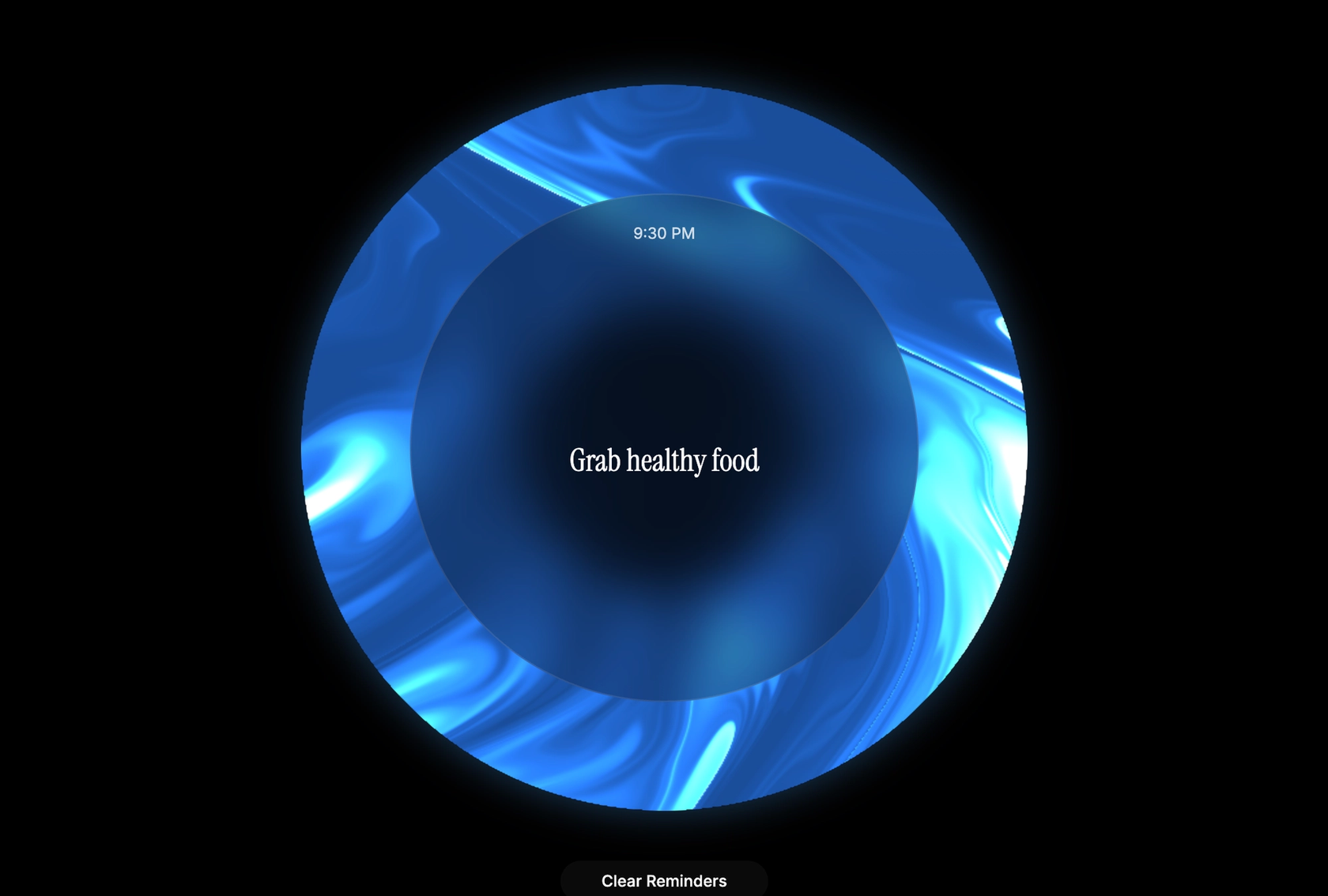


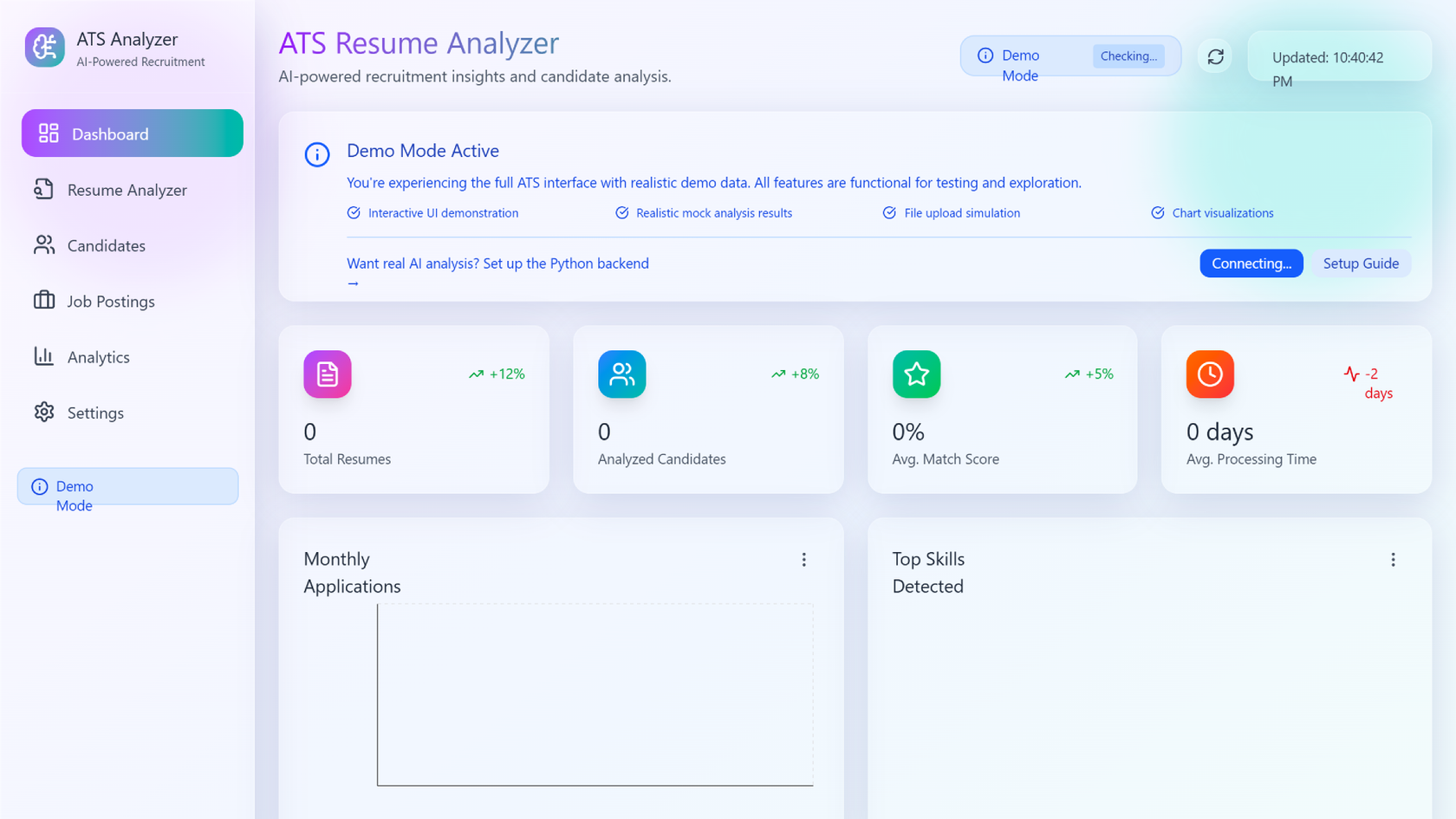


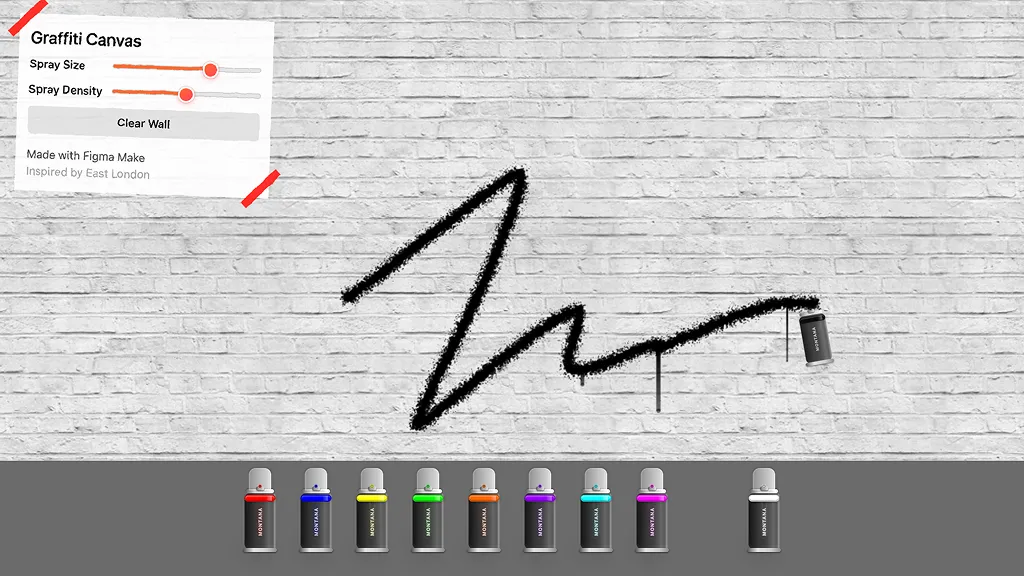

How to generate a signup flow with AI in Figma Make
Bring in a frame from Figma Design or start directly in Figma Make. Example prompt: “Create a signup flow with email, password, and confirmation steps.”
Use natural language to define screens, logic, and validation states. Example prompt: “Add password strength indicators and error messages.”
Figma Make generates a responsive, interactive signup flow—complete with transitions and input behaviors.
Connect real data to preview interactions, gather feedback, and iterate in real time through prompts, visual edits, or code.
FAQs
An AI signup flow generator turns your text prompts into interactive signup experiences. In Figma Make, you can describe your user flow and instantly see it built out as connected screens and logic.
No coding required. Just describe what you want in plain language. You can access or export the code if you’d like to customize it further.
Nope. Figma Make handles the code generation. Just describe what you want—Make builds the structure, logic, and UI automatically.
Yes. You can connect your team’s existing Figma libraries so every prototype stays on-brand and consistent with production.
Absolutely. You can share with teammates, test with users, or publish your flow directly from Figma Make.
You can try Figma Make for free on the Starter plan. Paid plans unlock advanced features like backend integrations and code export.
Anything from simple email-and-password forms to multi-step onboarding flows with dynamic validation and real-time data checks.
From the blog

How Lufthansa Systems prototypes realistic maps for the cockpit with Figma Make
Pilots depend on in-flight software to navigate routes, see air traffic, avoid turbulence, and more. To bring more dynamic prototypes to user testing, Lufthansa Systems turned to Figma Make.
Create, ship, and manage data-backed websites with Payload in Figma
With Payload in Figma, teams can go from prototype to production together, managing their content and data all in one place.
Measuring time savings from Figma Make
The Figma Data Science team assumed that AI saves users time—but quantifying it required a new approach to research design.
A properties panel and annotations, now in Figma Make
With visual editing and annotations, Figma Make is bridging the gap between design and code. Select any element you want to change, adjust it directly in the properties panel, or write in-context prompts with annotations.
Workflow lab: Deploying designs directly with Figma Make
The handoff from design to code doesn't have to be a one-way street. This workflow shows how a designer can connect a codebase to Figma Make, make the changes directly, and bring the whole team into review—right up to the PR.

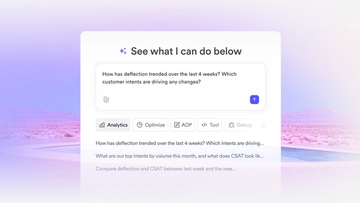
How Decagon uses AI for design system saturation
The fast-growing customer experience platform explains how Figma MCP and Figma Make helped them scale a new design system and keep pace with customer requests.
More resources

What is MCP?
Read articleLearn about Model Context Protocol (MCP), the open standard that simplifies AI integration like a USB-C for data.

What is Vibe coding?
Read articleVibe coding combines mood-driven design with seamless coding to create immersive digital experiences that connect emotionally and function flawlessly.


How to design an app in five steps
Read articleBuilding an app requires research and constant iteration to meet customer needs. Learn how to design an app and how Figma can help in this guide.