


Design smarter with an AI UI consistency checker
Ship polished work—without chasing down mismatched buttons or off-brand styles. An AI UI consistency checker scans your designs for drift across components, spacing, typography, and states, so you can focus on the experience, not the cleanup. Design, prototype, and refine with confidence—knowing your UI stays aligned from first frame to final handoff.
Keep your product aligned with an AI UI consistency checker

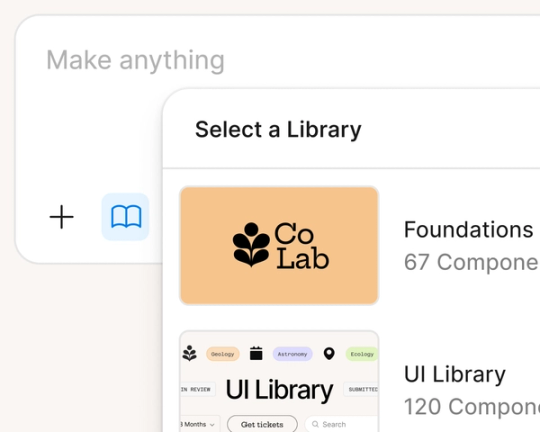
Catch inconsistencies instantly
Scan frames, flows, and components in seconds. The AI UI consistency checker flags visual and structural mismatches—so you can fix issues before review.

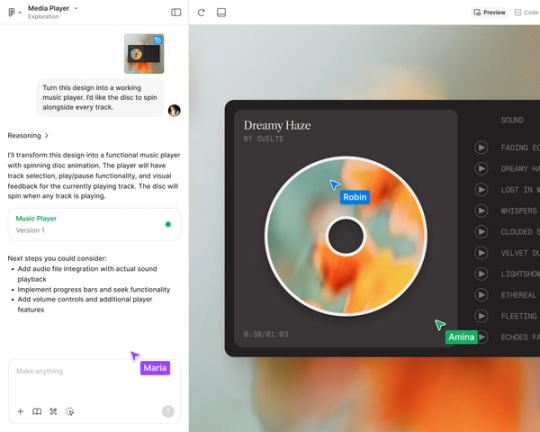
Design with your system
Validate layouts against your team’s components, tokens, and styles. Stay on-brand and reduce visual drift across every iteration.

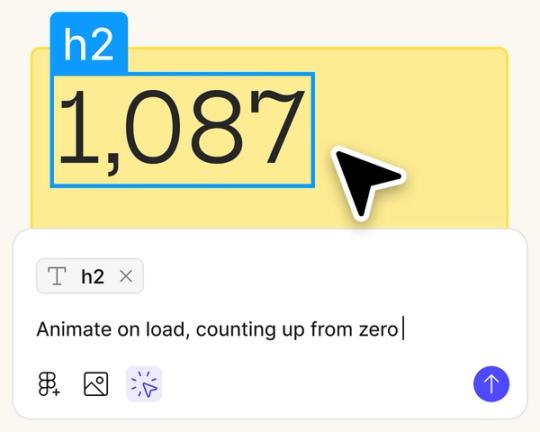
Standardize flows and states
Compare patterns across screens to ensure consistent interactions, spacing, and behaviors—without manually auditing every detail.

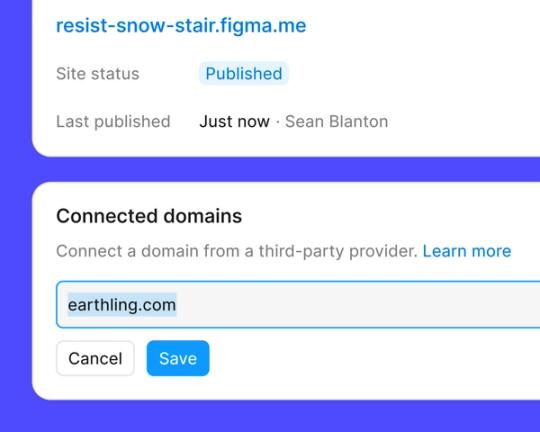
Close the gap before handoff
Resolve UI inconsistencies early and deliver cleaner files to engineering. Fewer surprises. Less rework. Smoother builds.
Built by real teams.
See how makers, designers, and PMs are using Figma Make to build no-code web apps—from internal tools to product MVPs.
- Jeffrey Lee-Chan
- Gui Seiz

- Matty Williams

- Sahil Ahuja









How to create an AI UI consistency checker in Figma Make
Choose a single frame, flow, or entire page to review.
Example prompt: “Check this onboarding flow for spacing, typography, and button style inconsistencies.”
Reference your design system, components, or tokens to guide the review.
Example prompt: “Compare these screens against our primary button, input, and H1–H4 text styles.”
The AI UI consistency checker highlights mismatched components, inconsistent spacing, and off-brand styles so you can see exactly what needs attention.
Update components, swap styles, or adjust layout directly in your file.
Example prompt: “Replace non-system buttons with the primary component and standardize padding to 16px.”
FAQs
An AI UI consistency checker analyzes design files to identify mismatches in components, styles, spacing, and interaction patterns. It helps designers maintain alignment with their design system and reduce manual QA.
It compares screens and components against defined styles, tokens, and libraries. This helps teams catch visual drift early and maintain brand consistency across large files and multiple contributors.
Yes. An AI UI consistency checker can review multiple frames within a flow to identify inconsistent states, layout shifts, or pattern changes that might impact the user experience.
No. It supports design reviews by automating repetitive checks. Designers and stakeholders still provide feedback on usability, accessibility, and overall experience.
Absolutely. By resolving inconsistencies before handoff, teams reduce back-and-forth, minimize implementation errors, and ensure the final build reflects the intended design system.
From the blog

How Lufthansa Systems prototypes realistic maps for the cockpit with Figma Make
Pilots depend on in-flight software to navigate routes, see air traffic, avoid turbulence, and more. To bring more dynamic prototypes to user testing, Lufthansa Systems turned to Figma Make.
Create, ship, and manage data-backed websites with Payload in Figma
With Payload in Figma, teams can go from prototype to production together, managing their content and data all in one place.
Measuring time savings from Figma Make
The Figma Data Science team assumed that AI saves users time—but quantifying it required a new approach to research design.
A properties panel and annotations, now in Figma Make
With visual editing and annotations, Figma Make is bridging the gap between design and code. Select any element you want to change, adjust it directly in the properties panel, or write in-context prompts with annotations.
Workflow lab: Deploying designs directly with Figma Make
The handoff from design to code doesn't have to be a one-way street. This workflow shows how a designer can connect a codebase to Figma Make, make the changes directly, and bring the whole team into review—right up to the PR.

How Decagon uses AI for design system saturation
The fast-growing customer experience platform explains how Figma MCP and Figma Make helped them scale a new design system and keep pace with customer requests.
More resources

What is MCP?
Read articleLearn about Model Context Protocol (MCP), the open standard that simplifies AI integration like a USB-C for data.

What is Vibe coding?
Read articleVibe coding combines mood-driven design with seamless coding to create immersive digital experiences that connect emotionally and function flawlessly.


How to design an app in five steps
Read articleBuilding an app requires research and constant iteration to meet customer needs. Learn how to design an app and how Figma can help in this guide.