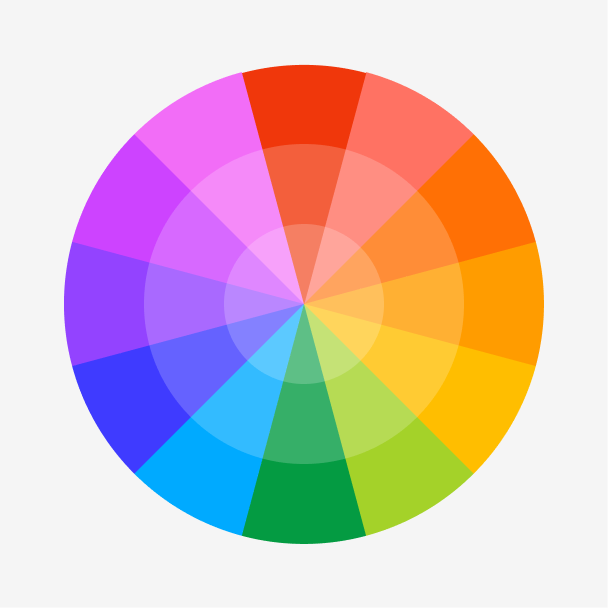
Figma color wheel
Want to find the perfect complementary or analogous colors to match teal?
Skip to main content
Everything you need to know about teal to inspire your next design.
Teal is a calming and sophisticated color, perfectly situated between blue and green on the color wheel. This shade captures the coolness of blue with the natural serenity of green, forming a balanced and refreshing hue. In its spectrum, teal includes lighter shades such as turquoise for a brighter, more vibrant feel, and darker shades like deep aqua with its richer, more subdued appearance.

Shades
Tints
Tones
Hues
Complementary
Split
Monochromatic
Analogous
Triadic
Square
Seawater Aquarium
Rusty Shipwreck
Sea Glass
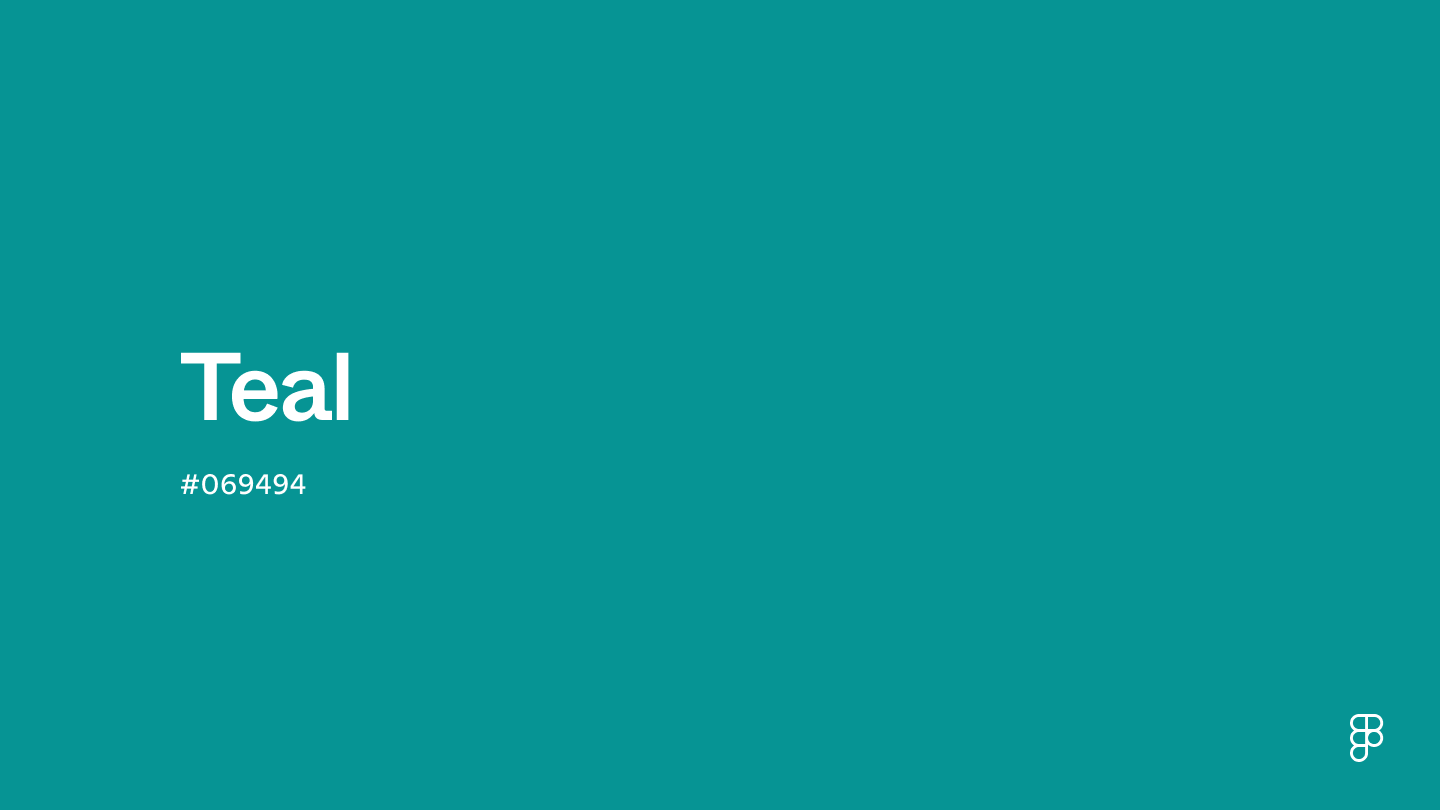
Teal is defined by the following color codes and values to ensure consistency across various digital platforms and devices.
- HEX code: #069494
- RGB value: 2.4% red, 58% green and 58% blue
Accessibility considerations play a crucial role in UX and UI design color choices. Figma offers plugins in the Community to make sure your designs meet Web Content Accessibility Guidelines.
To effectively use teal in UI design, consider these ideas:
Keep in mind that color and its meaning can change from culture to culture—and at any given time. If you are designing for a global audience, research color considerations for your specific regions.
For variations within the same serene and balanced spectrum as teal, consider:
To complement teal's dynamic tones, consider pairing it with:
Other colors worth considering include navy blue for a bold, dignified look; mint green for a fresh, harmonious blend; and lavender for a soft, contrasting touch.
While teal is remarkably adaptable, certain combinations may prove less harmonious:
Teal conveys sophistication, calm, and renewal. It is associated with clarity and protection, enhancing emotional well-being. Culturally, teal is recognized as a color that promotes emotional healing and tranquility.
In color psychology, teal bridges the gap between the peacefulness of blue and the rejuvenating properties of green. This unique combination creates a color that can both relax and revitalize.
In UI design, teal can effectively grab attention or provide balance within a design's aesthetic. For instance, a teal button can stand out as a focal point, drawing users towards a specific action without overwhelming the overall design. This makes teal an excellent choice for interactive elements that must be noticeable and aesthetically pleasing.
The name "teal" comes from the common teal, a duck found in the northern hemisphere, known for the striking stripe of this color that extends from its eyes to the back of its head.
Historically, teal gained popularity in the 1700s in fashion and interior design, favored during Victorian times for its rich depth and versatility in textiles and wall coverings. In the 20th century, teal saw a resurgence, becoming synonymous with modernity and sophistication. By the 1950s and 1960s, it was a popular choice for automotive paint, kitchen appliances, and consumer goods, reflecting a societal preference for vibrant yet refined colors.
Contrast 3.7
#069494
How you design, align, and build matters. Do it together with Figma.
| Category | ||
|---|---|---|
Fail | Fail | |
Pass | Fail | |
Pass | Fail |
Contrast 5.67
#069494
How you design, align, and build matters. Do it together with Figma.
| Category | ||
|---|---|---|
Pass | Fail | |
Pass | Pass | |
Pass | Pass |
Protanopia
Deuteranopia
Tritanopia
Achromatopsia
The hexadecimal color #069494, known as teal, has RGB values of R:6, G:148, B:148 and CMYK values of C:0.96, M:0, Y:0, K:0.42.
| VALUE | CSS | |
|---|---|---|
| HEX | 069494 | #069494 |
| RGB DECIMAL | 6, 148, 148 | rgb(6,148,148) |
| RGB PERCENTAGE | 2.4, 58, 58 | rgb(2.4%,58%,58%) |
| CMYK | 96, 0, 0, 42 | |
| HSL | 180°, 92.2, 30.2 | hsl(180,92.2%,30.2%) |
| HSV (OR HSB) | 180°, 95.9, 58 | |
| WEB SAFE | 009999 | #009999 |
| CIE-LAB | 55.436, -31.788, -9.361 | |
| XYZ | 16.009, 23.355, 31.68 | |
| xyY | 0.225, 0.329, 23.355 | |
| CIE-LCH | 55.436, 33.137, 196.409 | |
| CIE-LUV | 55.436, -42.554, -9.188 | |
| HUNTER-LAB | 48.327, -25.443, -5.037 | |
| BINARY | 00000110, 10010100, 10010100 | |
| iOS - SwiftUI | Color(red: 6/255, green: 148/255, blue: 148/255) | |
| iOS - UIKit | UIColor(red: 6/255.0, green: 148/255.0, blue: 148/255.0, alpha: 1.0) | |
| Android - Compose | Color(0xFF069494) |
Want to find the perfect complementary or analogous colors to match teal?
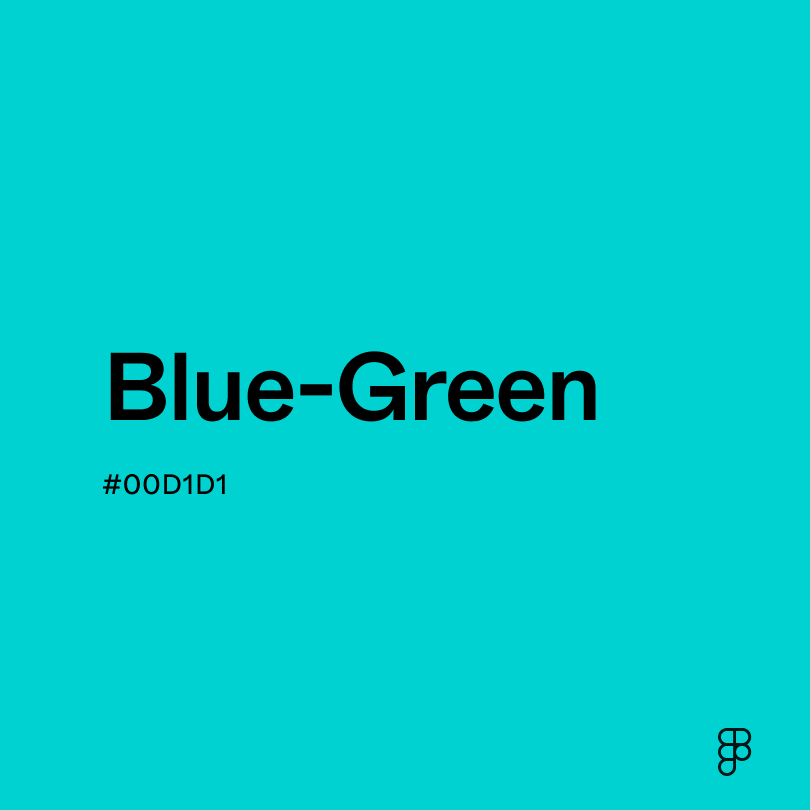
Learn about the color blue-green.
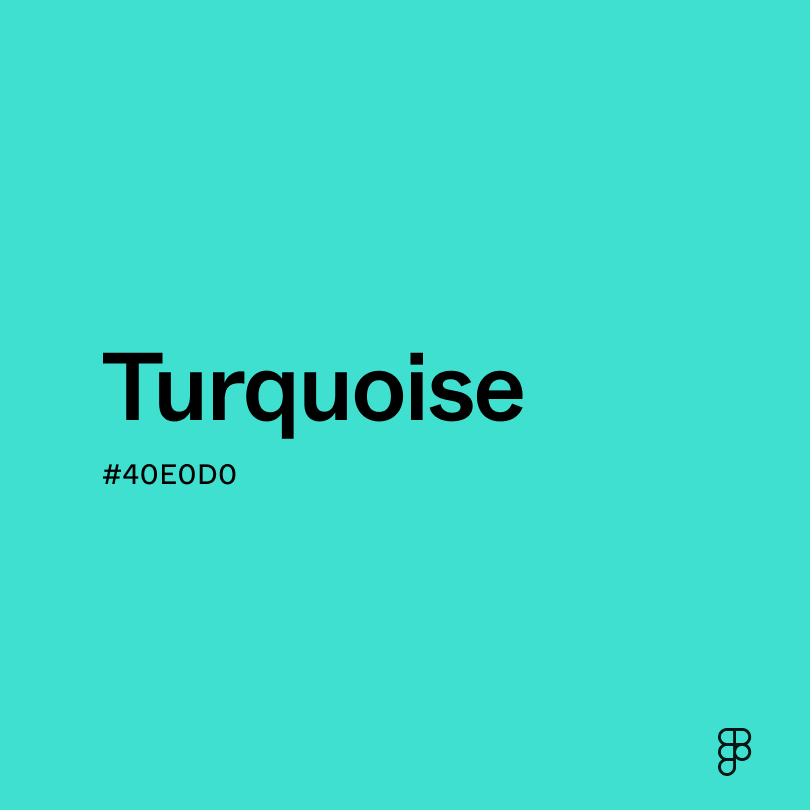
Learn more about turquoise.