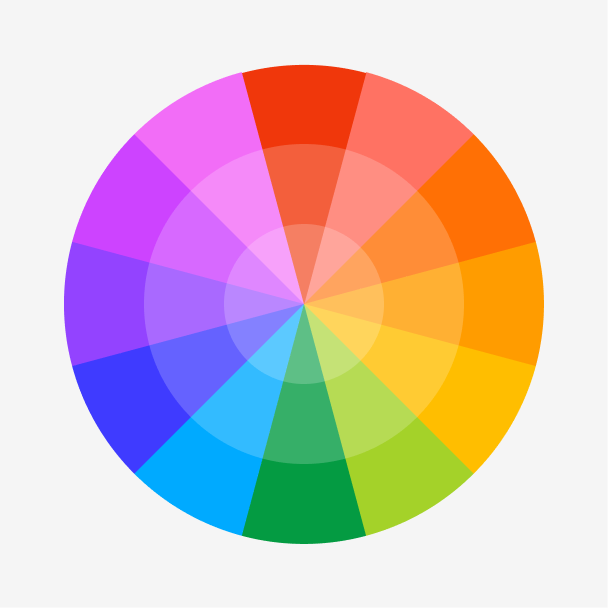
Figma color wheel
Want to find the perfect complementary or analogous colors to match forest green?
Skip to main content
Everything you need to know about forest green to inspire your next design.
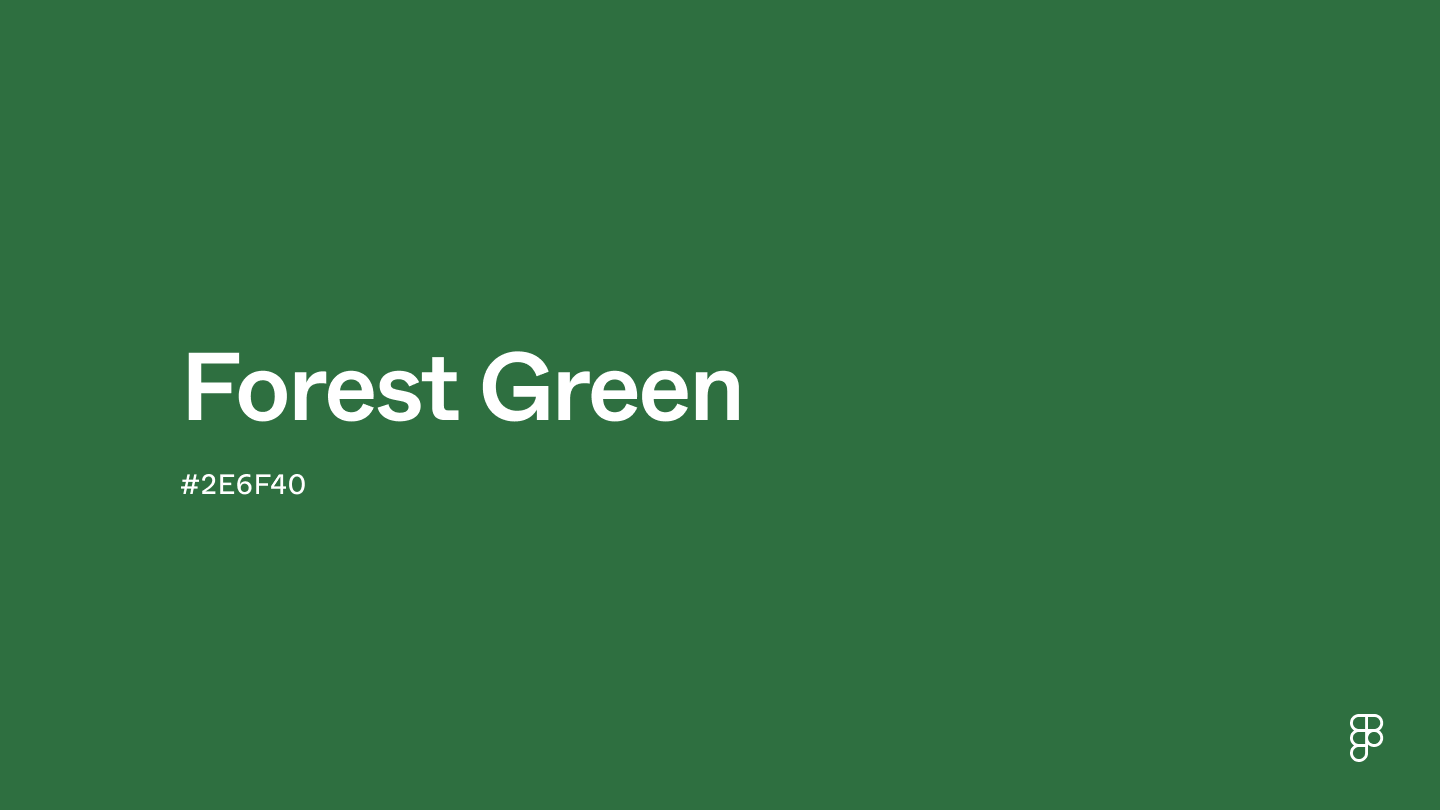
Forest green is a rich, earthy color with deep, neutral undertones. This lush, grounded shade sits in the green section of the color wheel, on the cooler side, embodying feelings of nature, stability, and renewal. Forest green’s dark, saturated shade ranges from deep hunter to pine, making it ideal for conveying a sense of depth and serenity in designs.

Shades
Tints
Tones
Hues
Complementary
Split
Monochromatic
Analogous
Triadic
Square
Lush Forest
Forest Berry
Green Grotto
Forest green is defined by the following color codes and values to ensure consistency across various digital platforms and devices.
- HEX code: #2E6F40
- RGB value: 38.8% red, 42% green and 18.4% blue
Accessibility considerations play a crucial role in UX and UI design color choices. Figma offers plugins in the Community to make sure your designs meet Web Content Accessibility Guidelines.
Forest green's richness and connection to nature offer UI designers a powerful tool to create calming, sophisticated interfaces. Here's how to integrate it strategically:
Keep in mind that color and its meaning can change from culture to culture—and at any given time. If you are designing for a global audience, research color considerations for your specific regions.
For variations within the same deep and earthy spectrum as Forest green, consider:
To complement Forest green's rich tones, consider pairing it with:
Other colors worth considering include slate gray for a modern, chic look, lavender for a soft, contrasting pop of color, and light blue for a refreshing, serene combination.
While Forest green is versatile, it may clash with:
Forest green represents growth, renewal, and the unending cycle of life. This hue is closely associated with environmentalism and sustainability, highlighting a dedication to conserving our planet and fostering a harmonious relationship with nature.
In color psychology, Forest green can promote balance and harmony, offering a calming influence that can alleviate stress and enhance well-being. Its ability to create a strong connection with nature makes it a comforting presence.
In UI/UX design, Forest green can help make a platform feel peaceful and connected to nature. It works well for eco-friendly brands or apps about wellness and outdoor activities. Using forest green in interfaces can create a serene experience of balance and rejuvenation, emphasizing a brand’s commitment to sustainability and natural quality. Through strategic use in design elements, forest green can attract eco-conscious consumers and emphasize messages of growth and renewal.
The term "Forest green" first appeared in English in the early 19th century, inspired by the deep green hues found in dense forests. It has been used in clothing and heraldry for centuries, representing wealth, status, and a connection to the land.
In modern times, Forest green has been adopted by environmental movements and brands looking to showcase their dedication to sustainability and ecological awareness. Its intense, lush tones have also made it a popular choice in interior design, fashion, and branding to suggest stability, growth, and the essence of nature.
Designers still use Forest green to incorporate a sense of the natural world into their work, whether through digital interfaces, product design, or visual branding.
Contrast 6.06
#2E6F40
How you design, align, and build matters. Do it together with Figma.
| Category | ||
|---|---|---|
Pass | Fail | |
Pass | Pass | |
Pass | Pass |
Contrast 3.46
#2E6F40
How you design, align, and build matters. Do it together with Figma.
| Category | ||
|---|---|---|
Fail | Fail | |
Pass | Fail | |
Pass | Fail |
Protanopia
Deuteranopia
Tritanopia
Achromatopsia
The hexadecimal color #2E6F40, known as Forest green, has RGB values of R:46, G:111, B:64 and CMYK values of C:0.59, M:0, Y:0.42, K:0.56.
| VALUE | CSS | |
|---|---|---|
| HEX | 2E6F40 | #2E6F40 |
| RGB DECIMAL | 46, 111, 64 | rgb(46,111,64) |
| RGB PERCENTAGE | 18, 43.5, 25.1 | rgb(18%,43.5%,25.1%) |
| CMYK | 59, 0, 42, 56 | |
| HSL | 136.6°, 41.4, 30.8 | hsl(136.6,41.4%,30.8%) |
| HSV (OR HSB) | 136.6°, 58.6, 43.5 | |
| WEB SAFE | 336633 | #336633 |
| CIE-LAB | 41.719, -32.103, 20.087 | |
| XYZ | 7.736, 12.319, 6.82 | |
| xyY | 0.288, 0.458, 12.319 | |
| CIE-LCH | 41.719, 37.869, 147.966 | |
| CIE-LUV | 41.719, -28.501, 28.327 | |
| HUNTER-LAB | 35.099, -22.08, 13.048 | |
| BINARY | 00101110, 01101111, 01000000 | |
| iOS - SwiftUI | Color(red: 46/255, green: 111/255, blue: 64/255) | |
| iOS - UIKit | UIColor(red: 46/255.0, green: 111/255.0, blue: 64/255.0, alpha: 1.0) | |
| Android - Compose | Color(0xFF2E6F40) |
Want to find the perfect complementary or analogous colors to match forest green?
Learn about the subdued lightness of pastels.
Learn more about mint green.