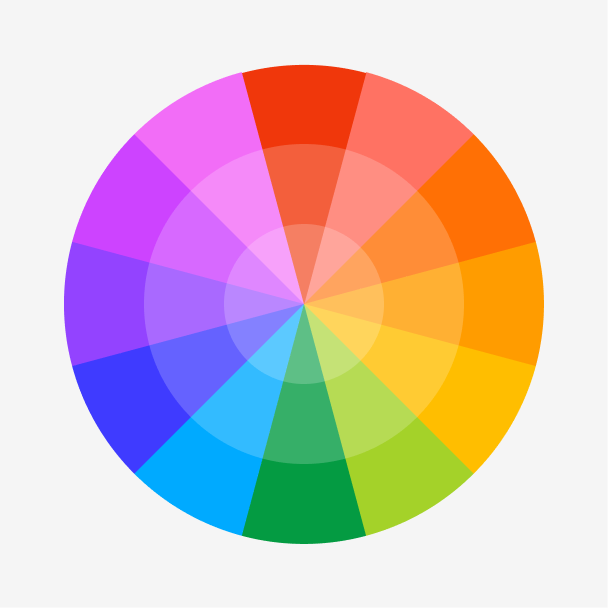
Figma color wheel
Want to find the perfect complementary or analogous colors to match amaranth?
Skip to main content
Everything you need to know about amaranth to inspire your next design.
Amaranth is a cool-toned shade between red and violet on the color wheel. Named after the amaranth flower, it balances the passion and energy of red with the luxury and creativity associated with purple.


Shades
Tints
Tones
Hues
Complementary
Split
Monochromatic
Analogous
Triadic
Square
Regal Rose
Watermelon Slushie
Fashion Show
Amaranth is defined by the following color codes and values to ensure consistency across various digital platforms and devices.
- HEX code: #E83256
- RGB value: 91% red, 19.6% green, and 33.7% blue
Accessibility considerations play a crucial role in UX and UI design color choices. Figma offers plugins in the Community to make sure your designs meet Web Content Accessibility Guidelines.
Here are some ways to use amaranth in your designs:
Keep in mind that color and its meaning can change from culture to culture—and at any given time. If you are designing for a global audience, research color considerations for your specific regions.
For variations within the same violet-red spectrum as amaranth, consider:
To complement amaranth, consider pairing it with:
Other colors worth considering include navy blue for a sophisticated look, lavender for a touch of whimsy, and ivory for timeless elegance.
While amaranth is bold, it may clash with:
Inspired by the vibrant amaranth flower, the color amaranth symbolizes immortality and eternal love. Many cultures use amaranth to decorate wreaths and memorials, expressing enduring affection and remembrance.
In color psychology, amaranth balances red's intensity with violet's calming nature. It can evoke feelings of passion, creativity, and strength.
In UI design, small touches of amaranth can add pops of energy and draw attention to key features. It pairs well with neutrals like creams and white but can also combine with complementary colors like green or blue for a playful contrast.
The color amaranth, derived from the Greek word for “unfading,” the color amaranth takes its name from the amaranth flower. The Greeks believed it to be forever blooming and immortal. It was used in artwork and decorations surrounding the gods on Mount Olympus.
Techniques for making a similar amaranth-colored dye emerged during the Renaissance in 1671 for dying wool. These methods required a special combination of a desaturated crimson and blue dye to produce the lighter shade of amaranth we know today.
Contrast 4.18
#E83256
How you design, align, and build matters. Do it together with Figma.
| Category | ||
|---|---|---|
Fail | Fail | |
Pass | Fail | |
Pass | Fail |
Contrast 5.02
#E83256
How you design, align, and build matters. Do it together with Figma.
| Category | ||
|---|---|---|
Pass | Fail | |
Pass | Pass | |
Pass | Pass |
Protanopia
Deuteranopia
Tritanopia
Achromatopsia
The hexadecimal color #E83256, known as amaranth, has RGB values of R:232 G:50, B:86 and CMYK values of C:0, M:0.78, Y:0.63, K:0.09.
| VALUE | CSS | |
|---|---|---|
| HEX | E83256 | #E83256 |
| RGB DECIMAL | 232, 50, 86 | RGB(232,50,86) |
| RGB PERCENTAGE | 91, 19.6, 33.7 | RGB(91%,19.6%,33.7%) |
| CMYK | 0, 78, 63, 9 | |
| HSL | 348.1°, 79.8, 55.3 | HSL(348.1°,79.8%,55.3%) |
| HSV (OR HSB) | 348.1°, 78.4, 91 | |
| WEB SAFE | FF3366 | #FF3366 |
| CIE-LAB | 51.965, 69.148, 24.644 | |
| XYZ | 36.101, 20.113, 10.785 | |
| xyY | 0.539, 0.3, 20.113 | |
| CIE-LCH | 51.965, 73.408, 19.616 | |
| CIE-LUV | 51.965, 129.891, 13.984 | |
| HUNTER-LAB | 44.848, 65.202, 17.135 | |
| BINARY | 11101000, 00110010, 01010110 | |
| iOS - SwiftUI | Color(red: 0.91, green: 0.196, blue: 0.337) | |
| iOS - UIKit | UIColor(red: 0.91, green: 0.196, blue: 0.337, alpha: 1) | |
| Android - Compose | Color(0xFFE83256) |
Want to find the perfect complementary or analogous colors to match amaranth?
Embrace the romantic allure of rose red.
Make a bold statement with the color red.