
Issue no.18: Show your work

True collaboration isn’t always comfortable.
Share Issue no.18: Show your work
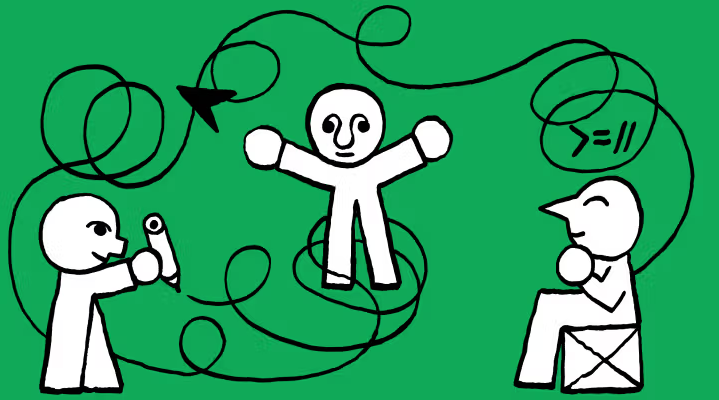
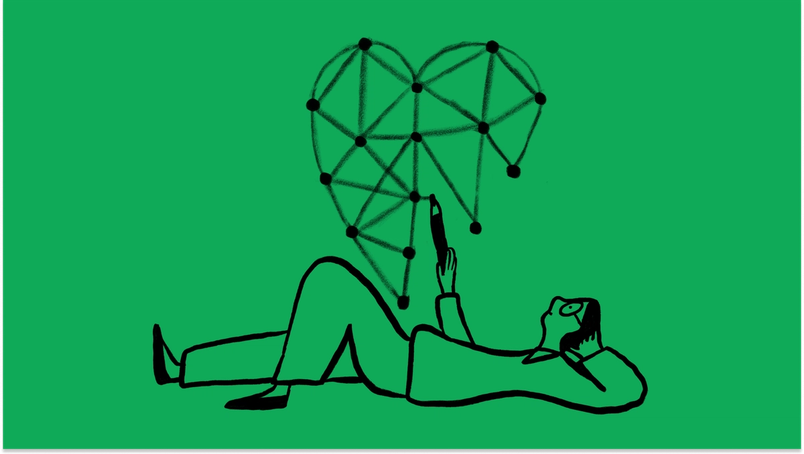
Illustrations by Hannah Schrage
You have to be willing to share the messy parts of the process—the rough sketches, the unresolved questions—so others can build on those ideas. In that spirit, we’re taking you behind the scenes at Figma to share the human side of building with AI.

Want the next issue delivered straight to your inbox? Sign up here.

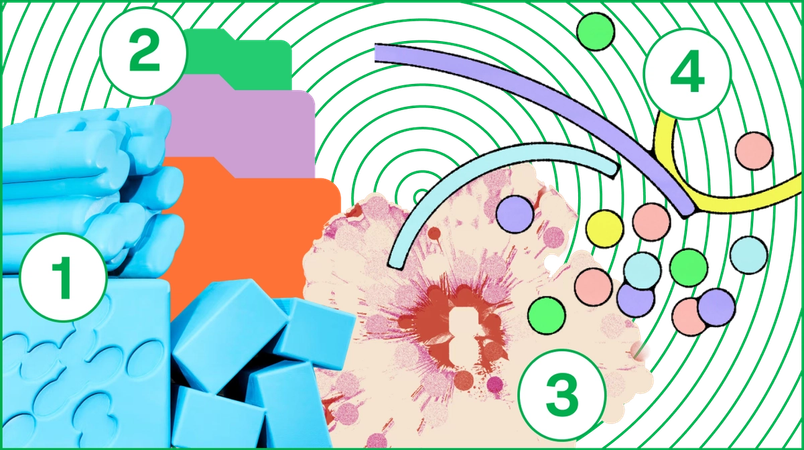
1. Digital tools make it easy to produce something slick—but for Config 2026, our Brand Studio used Figma Make to help create a visual language that was perfectly imperfect Here’s how Figma’s Brand Studio designed a conference that captured the very human ways we remix and reinvent when working with AI tools.Digital tools, human expression: The visual identity behind Config 2026
2. We’ve all heard how AI is shifting responsibilities, but what does that actually look like? An engineer, designer, and product manager share how building nested folders in Figma gave them a new outlook on their roles From treating code as a proposal to turning handoffs into conversations, here's how we shaped a new way of working to ship nested folders.
Code, craft, and the making of nested folders
3. Product Designer Rogie King was on a mission to bring shaders to Figma—but first, he had to assemble the right team. Here’s what it took to ship generative tools: an airtight pitch, a prototype-first process, and a passion that was contagious Starting today, you’ll have more creative control over generative plugins and shaders, and a way to share what you’ve made with the community. Product Designer Rogie King tells the story of how we got here.Behind the build: Generative plugins and shaders at Figma
4. We built the AI sentiment index to measure how the industry is changing, how we feel about it, and what it means for the future of design. Researcher Shane Johnston breaks down how AI helped make sense of a huge amount of data In 2024, we kicked off a study to understand how AI would reshape design and product development. Now, AI is helping us run it.How do you actually measure the impact of AI on design?
The last word